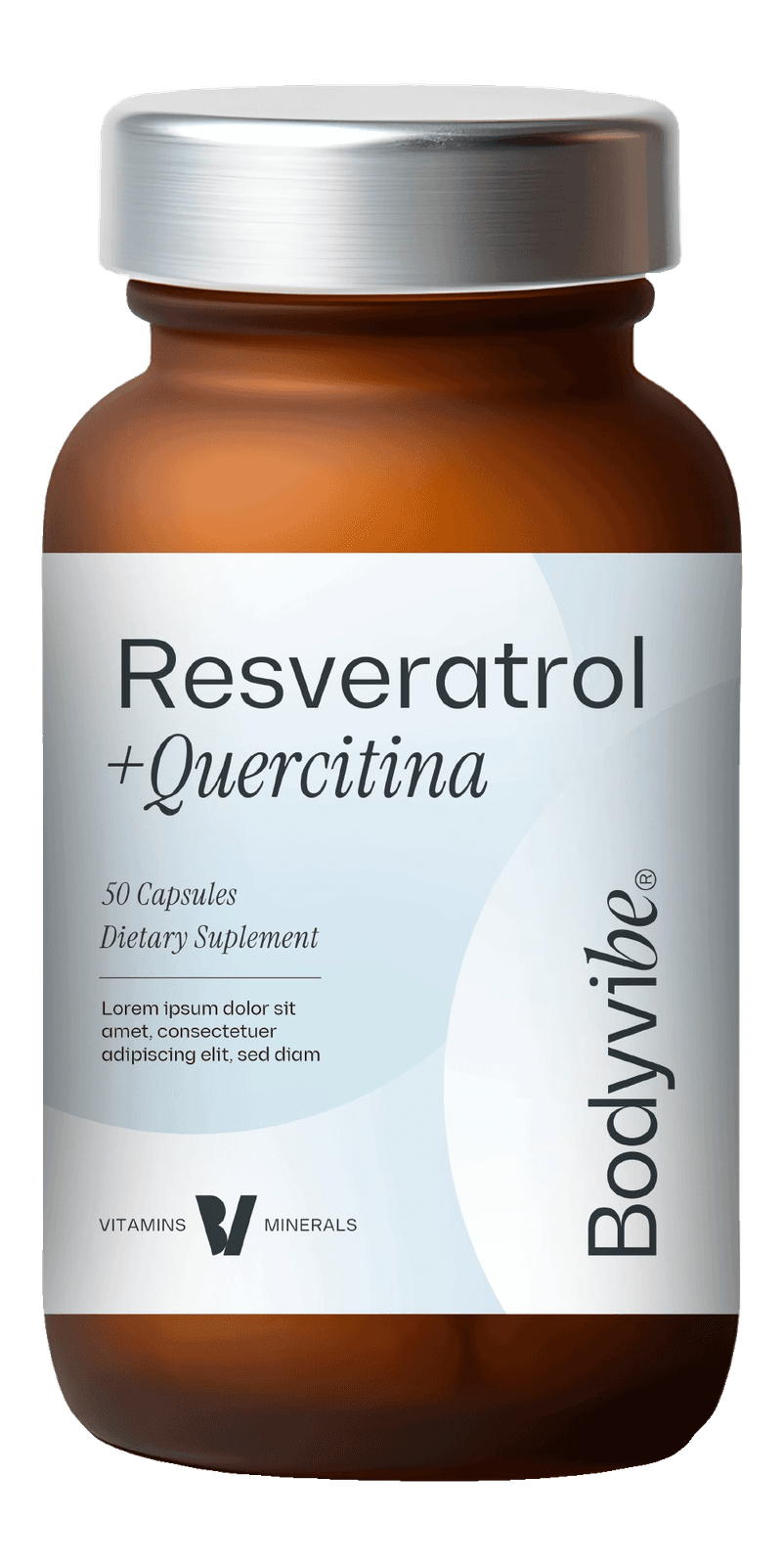
A food supplement label in the EU is not free space: almost everything on it is regulated, and what is missing says a lot too. This guide walks through a label from top to bottom using Magnesium Complex as the example, so you know where to look and what each statement means.
1. The name: “food supplement”
It is the first mandatory statement (Royal Decree 1487/2009 in Spain, transposing Directive 2002/46/EC). A food supplement is a food, not a medicine: it comes in measured doses (capsules, softgels, powder with a scoop) and its role is to supplement the normal diet. If a product is advertised with properties that belong to a medicine, it sits outside this category and outside the law.
2. The composition table and the NRV
The table declares the amount of each nutrient per recommended daily dose and, for vitamins and minerals, the percentage of the Nutrient Reference Value (NRV) set in Regulation (EU) 1169/2011. Some useful NRVs: magnesium 375 mg, vitamin D 5 µg, vitamin K 75 µg, vitamin B6 1.4 mg, vitamin B12 2.5 µg. A product is a “source of” a nutrient when it provides at least 15% of the NRV per daily dose; that is the threshold that unlocks authorised claims.
The “of which” row is the key: it separates the weight of the salt from the mineral it actually provides. If a label only states the weight of the salt, you do not know how much nutrient you are taking.
3. The list of ingredients
It runs in descending order of weight and includes the excipients too: the capsule (hydroxypropyl methylcellulose if vegetable; gelatine if of animal origin), bulking agents such as microcrystalline cellulose and anti-caking agents such as magnesium salts of fatty acids. Allergens are highlighted typographically. A branded ingredient (Albion®, KSM-66®) appears with its symbol and, where the owner requires it, with a trademark attribution line.
4. Dose, directions and warnings
The label must state the recommended daily dose and the directions for use (“2 capsules a day with plenty of water, preferably at night”), plus three mandatory sentences you will find on any legal supplement in the EU:
- “Do not exceed the recommended daily dose.”
- “Food supplements should not be used as a substitute for a varied and balanced diet and a healthy lifestyle.”
- “Keep out of reach of young children.”
To these are added the storage conditions, the net quantity, the batch number, the best-before date and the name and address of the responsible food business operator (for Bodyvibe, Nutriprime S.L., Getafe, Madrid).
5. Health claims
Every claim is attributed to a nutrient (“magnesium contributes to…”), never to the brand, the whole product or a botanical. Plant extracts such as ashwagandha or rhodiola have no authorised claims: the label may describe them (origin, standardisation, brand) but may not attribute effects to them.
6. Seals: which ones can be checked
A seal is worth what can be verified. Branded-ingredient logos are licensed by their owner; “vegetable capsule” can be checked in the ingredient list; “amber glass” can be seen. Be wary of generic seals with no body behind them, purity percentages with no method and references to testing with no named laboratory. At Bodyvibe we only use seals we can document.
7. What is not on the front
The front panel presents; the back panel informs. Before buying, turn the pack around or look for the full label on the brand's website: in Science and quality we publish the complete label of every product. A brand that does not show its full label is asking you to trust without data.
Checklist
- The name “food supplement”.
- Composition table with an “of which” row and NRV percentage.
- Complete ingredient list, with excipients and allergens.
- Daily dose, directions and the three mandatory sentences.
- Batch, best-before date and responsible operator.
- Claims attributed to a nutrient, with their conditions.
- Seals that can be verified.